
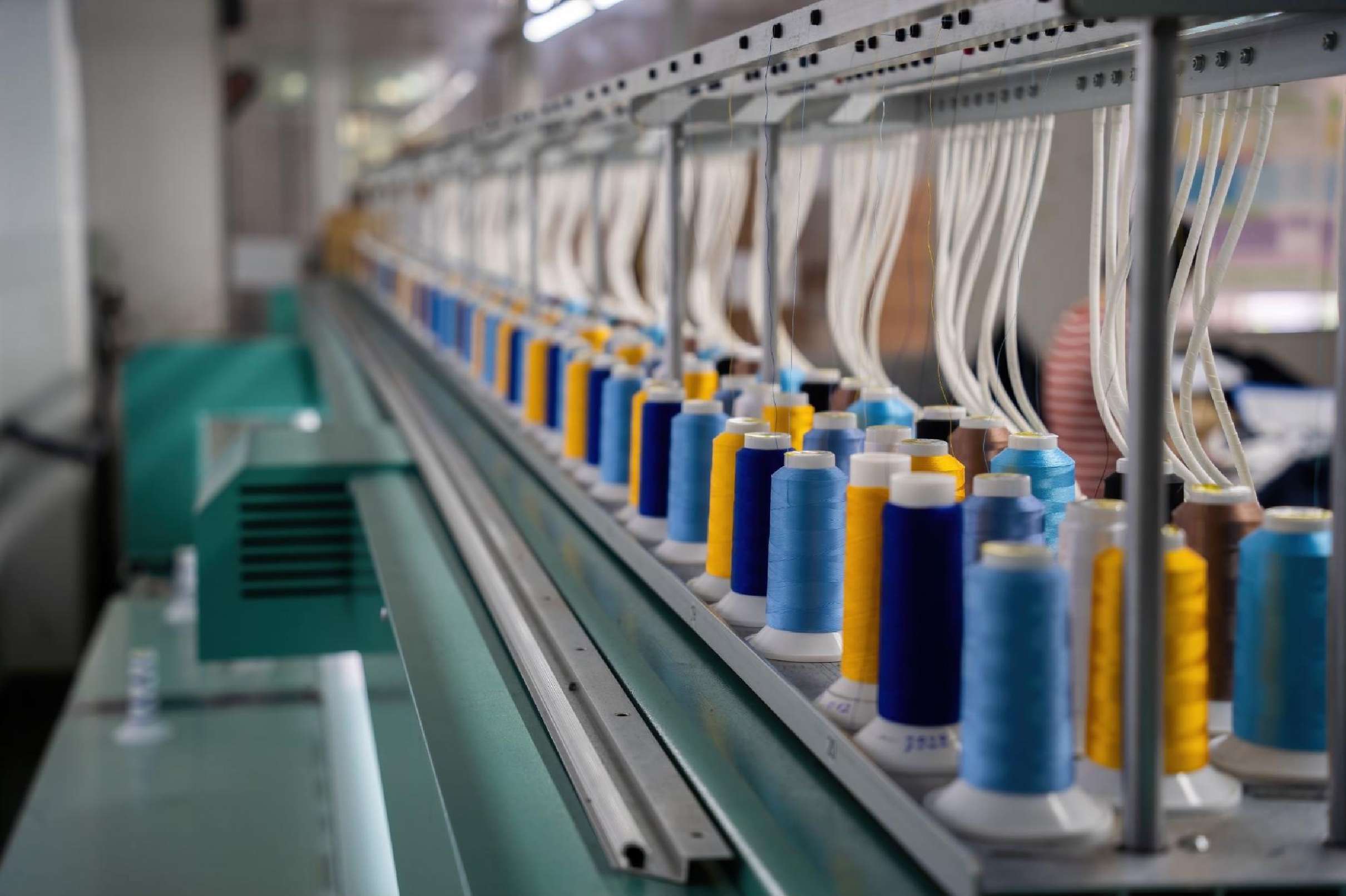
The textile industry in Nepal is a vibrant sector that intertwines the nation’s rich cultural heritage with contemporary economic development. From traditional handwoven fabrics to modern apparel manufacturing, this industry plays a pivotal role in Nepal’s economy and cultural identity.
Historical and Cultural Significance
Nepal’s textile traditions are deeply rooted in its diverse ethnic cultures. Techniques such as handloom weaving and Dhaka fabric production have been passed down through generations, producing intricate patterns that reflect the country’s rich heritage. These traditional crafts not only preserve cultural identities but also contribute to the nation’s unique fashion landscape.
Economic Impact
Employment: The textile sector employs over 50,000 individuals across approximately 250 industries nationwide.
Exports: In 2018, Nepal exported 12.2 million garments, generating nearly $5 billion, marking a 13-year high in the export industry.
Market Growth: The apparel market in Nepal is projected to reach $1.16 billion in 2025, indicating robust growth potential.
Global Reach and Trade Dynamics
Nepali textiles have found markets worldwide, with significant exports to countries like the United States, Canada, Denmark, Australia, and China. In 2022, exports of knitted or crocheted apparel totaled $28 million, accounting for 2.15% of Nepal’s total exports.
Sustainability and Innovation
The industry is increasingly embracing sustainable practices, focusing on organic materials and eco-friendly production methods. This shift not only caters to global demand for ethical products but also ensures the preservation of traditional techniques in a modern context.
Challenges and Opportunities
While the industry faces challenges such as competition from imported goods and the need for technological advancement, there are significant opportunities for growth. Investments in skill development, infrastructure, and innovation can propel Nepal’s textile sector to new heights, ensuring its competitiveness in the global market.



Leave a Reply