

Kathmandu, April 24, 2025 — Nepal is making significant strides in urban development through the Nepal Urban Governance and Infrastructure Project (NUGIP), a $150 million initiative jointly launched by the Government of Nepal and the World Bank. This four-year project aims to enhance municipal governance, strengthen service delivery, and support post-COVID-19 economic recovery in strategic secondary cities across the country.
Strengthening Urban Governance
NUGIP is designed to empower municipalities by placing them at the forefront of project implementation. Approximately 95% of the total project budget is allocated directly to local governments, enabling them to plan and execute infrastructure projects that address their unique needs. This approach aligns with Nepal’s federalism principles and the National Urban Development Strategy, promoting decentralized governance and local autonomy.
Infrastructure Development and Capacity Building
The project focuses on 17 municipalities located in two strategic urban clusters: the eastern region (Provinces 1 and 2) and the western region (Gandaki and Lumbini Provinces). These municipalities are critical to Nepal’s economic development and serve as centers for commercial and administrative activities.
Key components of NUGIP include:
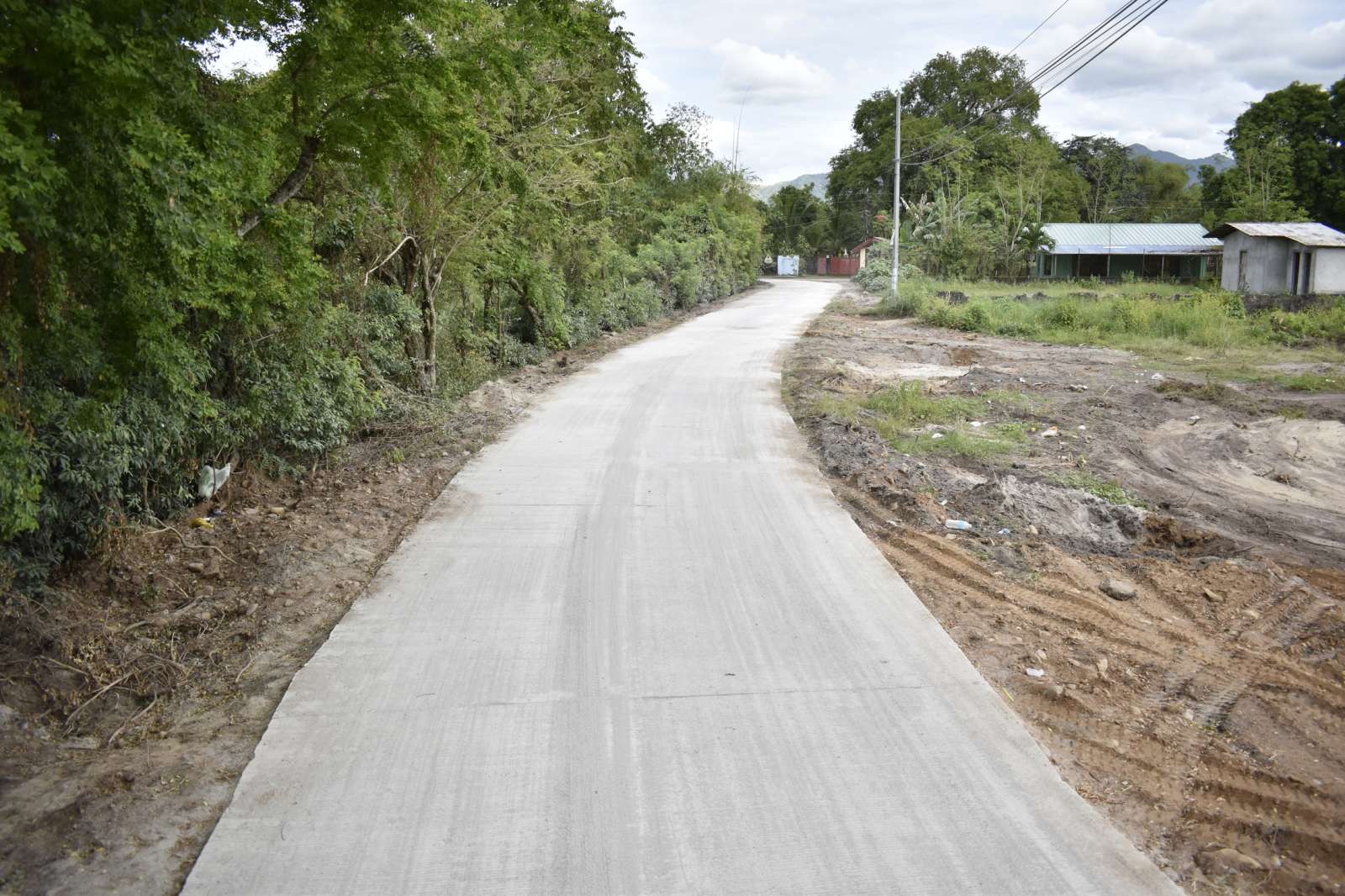
- Urban Infrastructure Grants: Funding for the construction and upgrading of essential urban infrastructure such as roads, drainage systems, and public spaces.
- Institutional Capacity Building: Training and support for municipal officials to improve urban planning, financial management, and service delivery.
- Labor-Intensive Public Works: Programs aimed at providing temporary employment opportunities to over 20,000 vulnerable individuals affected by the COVID-19 pandemic.
Promoting Sustainable and Inclusive Development
NUGIP emphasizes sustainable urban development by incorporating climate-resilient infrastructure and promoting eco-friendly transportation options. For instance, in Pokhara, the project is upgrading the Talchowk-Begnas Road to include dedicated cycle lanes, wider footpaths, and efficient drainage systems, enhancing both mobility and environmental sustainability.
Moreover, the project actively involves local communities in the planning and implementation process, ensuring that the voices of women, marginalized groups, and other stakeholders are heard and considered. This participatory approach fosters a sense of ownership and accountability among residents.
Anticipated Impact
By focusing on strategic infrastructure development, institutional strengthening, and inclusive participation, NUGIP aims to:
- Enhance the quality and accessibility of urban services.
- Stimulate economic activities and job creation in secondary cities.
- Build resilient and sustainable urban environments.
As Nepal continues to navigate the challenges of rapid urbanization and post-pandemic recovery, initiatives like NUGIP play a crucial role in shaping a more equitable and prosperous future for its urban populations.


Leave a Reply