
Nepal has implemented a range of policy measures aimed at bolstering domestic industries, recognizing their crucial role in economic development, employment generation, and poverty alleviation. These initiatives focus on creating a conducive environment for industrial growth, enhancing competitiveness, and encouraging investment.
Industrial Policy 2011: A Strategic Framework
The Industrial Policy of 2011 serves as a cornerstone in Nepal’s efforts to promote domestic industries. Key objectives include:
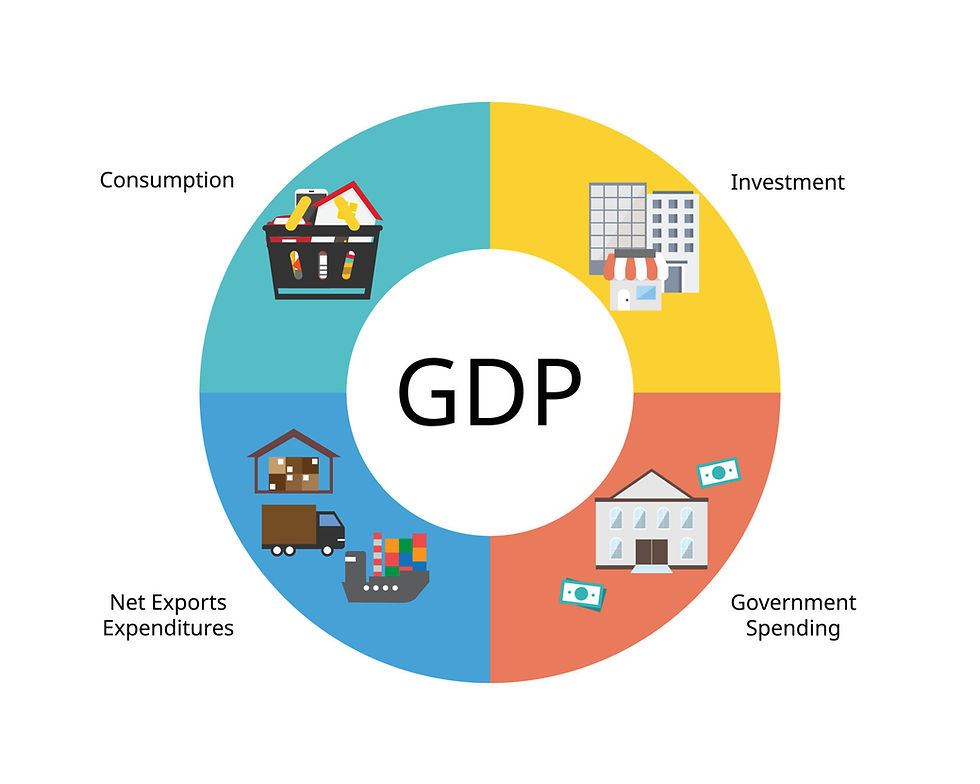
Enhancing Industrial Contribution to GDP: Aiming to increase the industrial sector’s share in the national economy.
Employment Generation: Focusing on job creation through industrial expansion.
Export Promotion: Encouraging industries to produce goods for export to improve trade balance.
Sustainable Industrial Development: Emphasizing environmentally friendly practices and sustainable resource use.
The policy also identifies priority sectors such as agro-based industries, energy, and tourism, offering incentives like tax rebates and interest subsidies to stimulate growth in these areas.
Incentives and Support Mechanism
To foster a favorable environment for domestic industries, the government has introduced several support mechanisms:
Tax Concessions: Providing tax exemptions and reductions for industries established in underdeveloped regions to promote balanced regional development.
Interest Subsidies: Offering interest subsidies on loans to reduce the financial burden on new and existing industries.
Infrastructure Development: Investing in industrial estates and special economic zones to provide necessary infrastructure and facilities for industrial operations.
Campaigns and Initiatives
The government has launched specific campaigns to boost domestic production and consumption:
Domestic Production and Consumption Increment Campaign: A decade-long initiative aimed at expanding the market for Nepali goods and encouraging self-reliance.
Import Restrictions: Implementing temporary bans on certain imported goods to protect and promote local industries.
Public-Private Collaboration
Recognizing the importance of collaboration, the government emphasizes partnerships with the private sector:
Investment Promotion: Encouraging private investment in the industrial sector through policy reforms and incentives.
Stakeholder Engagement: Involving industry stakeholders in policy formulation and implementation to ensure policies are responsive to industry needs.
Through these comprehensive policy measures, Nepal aims to strengthen its domestic industrial base, enhance competitiveness, and achieve sustainable economic growth.



Leave a Reply