
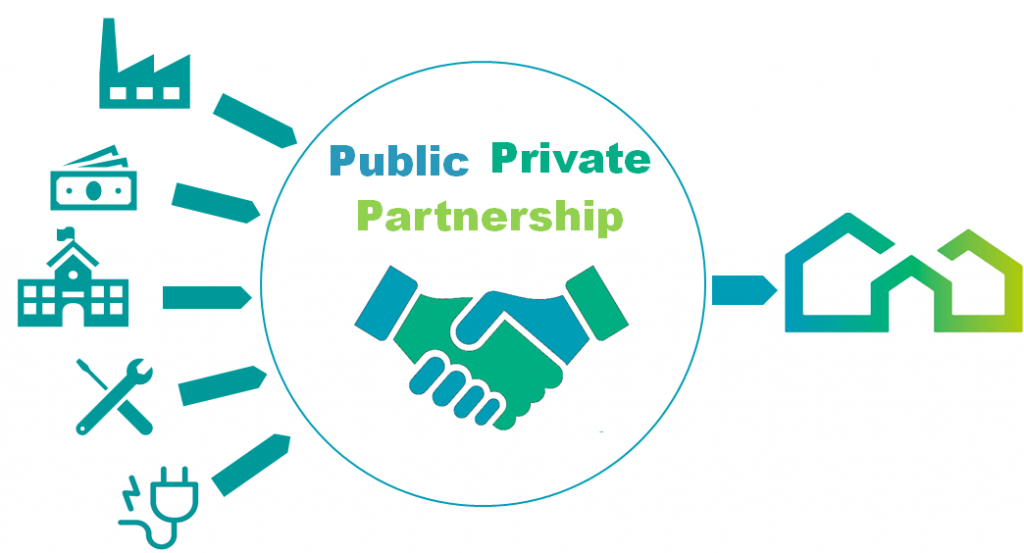
Nepal is increasingly leveraging Public-Private Partnerships (PPPs) to bridge its infrastructure gap, enhance service delivery, and stimulate economic growth. This collaborative model combines public oversight with private sector efficiency, aiming to deliver essential infrastructure projects across the country.
Legal and Policy Framework
The foundation for PPPs in Nepal was laid with the enactment of the Private Financing in Build and Operation of Infrastructures Act. This was further strengthened by the Public-Private Partnership Policy of 2015, which provides a structured approach to identify, procure, and manage PPP projects. The policy emphasizes the development of critical infrastructure sectors, including transportation, energy, water supply, and communication.
Key Projects and Sectors
Nepal’s PPP initiatives span various sectors:
Energy: Projects like the Arun-3 and Upper Karnali Hydropower Projects are prominent examples, aiming to harness Nepal’s hydroelectric potential.
Transportation: Development of roads, bridges, and airports under PPP models to improve connectivity.
Water and Sanitation: Initiatives to enhance drinking water supply and waste management systems.
Communication: Expansion of modern communication infrastructure to bridge the digital divide.
International Collaboration
Nepal actively seeks foreign investment to bolster its PPP endeavors. Recent engagements include:
Investment Summits: Platforms to attract international investors, particularly in the hydropower sector.
Belt and Road Initiative: Collaboration with China to develop infrastructure projects under this framework.
Challenges and Opportunities
While PPPs offer numerous benefits, Nepal faces challenges such as:
Regulatory Hurdles: Need for streamlined procedures to facilitate private sector participation.
Financial Constraints: Ensuring adequate funding and risk-sharing mechanisms.
Addressing these challenges through policy reforms and capacity building can unlock the full potential of PPPs in Nepal’s infrastructure development.
By fostering a conducive environment for PPPs, Nepal aims to accelerate infrastructure development, enhance public services, and drive sustainable economic growth.


Leave a Reply