

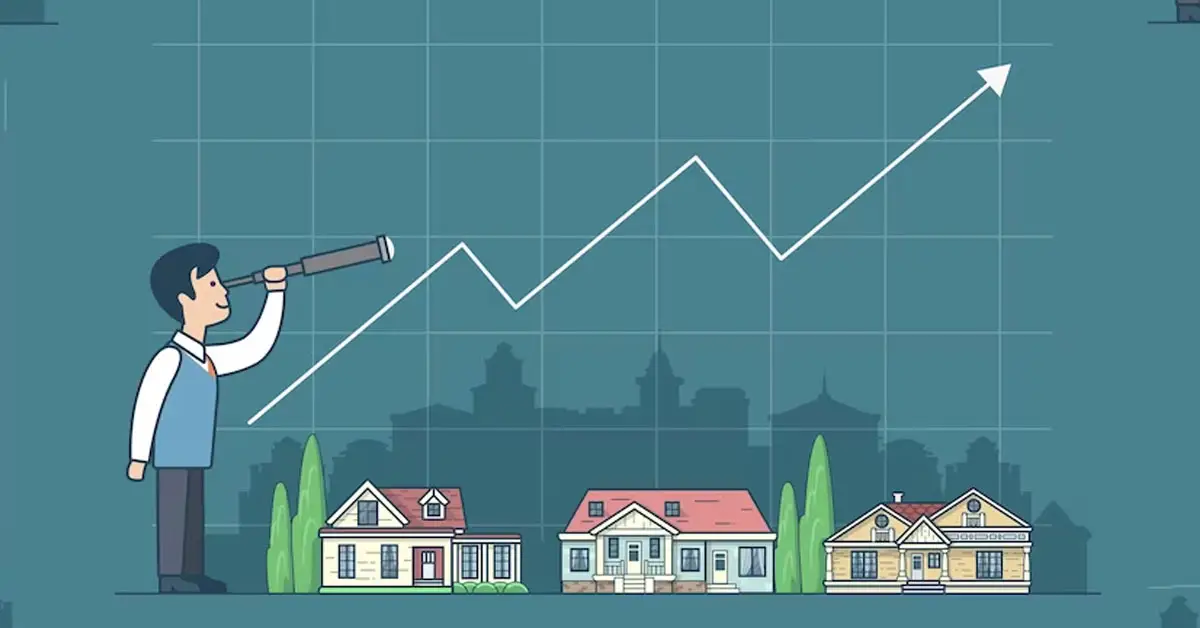
Nepal’s residential real estate sector is experiencing significant growth in 2025, driven by urban expansion, economic recovery, and evolving consumer preferences.
Market Overview
The residential real estate market in Nepal is projected to reach a value of NPR 453.91 billion in 2025, with the residential segment accounting for NPR 390.30 billion. This segment is expected to grow at an annual rate of 3.12% from 2025 to 2029, resulting in a market volume of NPR 513.30 billion by 2029 .
Key Drivers
Urbanization: Rapid migration to cities like Kathmandu, Pokhara, and Lalitpur is increasing demand for housing .
Economic Recovery: Post-pandemic economic recovery has boosted investor confidence and purchasing power .
Infrastructure Development: Improved roads, utilities, and public services are enhancing the appeal of residential areas .
Emerging Trends
Sustainable Construction: There is a growing emphasis on energy-efficient homes, solar-powered apartments, and green building materials .
Smart Homes: Integration of technology for enhanced security, energy management, and convenience is becoming more prevalent .
Affordable Housing: Government initiatives and private sector efforts aim to provide housing solutions for lower-income groups .
Investment Opportunities
Investors are encouraged to consider emerging markets in suburban areas such as Bhaktapur, Banepa, and Chitwan, which offer high growth potential due to affordable land prices and developing infrastructure .
Challenges
Despite positive trends, the market faces challenges including bureaucratic delays in property registration, high property prices, and limited financing options, which can hinder homeownership for middle-class buyers .
Conclusion
Nepal’s residential real estate market in 2025 presents a dynamic landscape with ample opportunities for investors, developers, and homebuyers. With continued urban development, policy reforms, and a focus on sustainable living, the sector is well-positioned for sustained growth in the coming years.


Leave a Reply